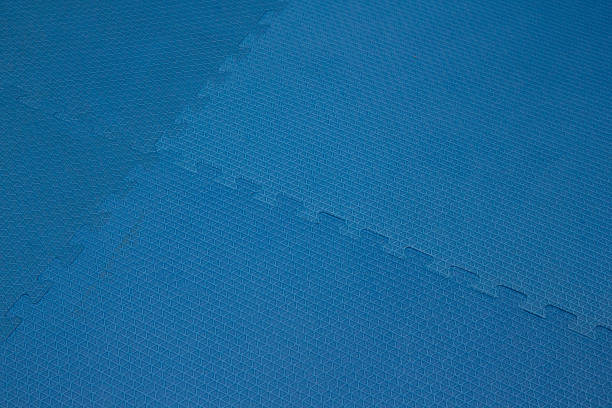
A home training area can look safe at first. The floor is clear, the room is tidy, and the space feels ready for practice. Then someone slips during a kick, lands on one knee, or catches a toe between loose tiles. The problem is not always the movement. Sometimes it is the surface.
Jigsaw mats are popular because they are simple to install and easy to move. That does not mean every set is fit for hard use. A thin, loose or poorly made mat can turn normal training errors into painful accidents.
The first risk is a twisted ankle. Martial arts and fitness drills involve turning, stepping back and changing direction. If the tiles shift under the foot, the ankle may roll. This can happen during light practice, not only during sparring. A loose edge is often enough.
Knees are also exposed. Beginners often drop low during stretches, drills or ground work. If the mat is too thin, the knee takes more pressure than expected. Bruising can appear quickly. Over time, people may start avoiding movements because the floor hurts.
Wrists can suffer too. Push-ups, breakfalls and ground drills place weight through the hands. If the surface is too hard, the joint takes more shock. If it is too soft, the wrist may sink and bend awkwardly. The best floor gives support without feeling like a sponge.
There is also the risk of skin scrapes. Cheap surfaces can split, roughen or lift at the joins. Bare feet, elbows and knees rub against these points during practice. Small scrapes may not sound serious, but they can stop training and make the space feel poor.
Falling is another issue. No mat can remove all danger from a bad fall. Still, poor flooring can make the result worse. A person who lands on a thin mat over hard concrete may feel the strike through the whole body. That kind of shock can affect the back, shoulder or hip.
Jigsaw mats should also lock together properly. If the teeth do not hold, gaps appear. Feet can catch in those gaps during fast work. Children are especially likely to trip because they may not notice the join while moving.
For home users, the mistake is often buying by colour or price alone. A bright mat may look good in a spare room, but it still has to deal with sweat, turning feet and repeated contact. The surface should grip enough to stop sliding, but not so much that it traps the foot during a turn. That balance is easy to ignore when the only guide is a product photo.
Thickness should match the use. Light stretching needs less protection than martial arts, wrestling-style drills or energetic fitness work. A buyer should think about the hardest activity likely to happen in the room, not the easiest one.
Density matters as well. Two mats can have the same thickness and feel very different. One may spring back after pressure. Another may flatten and stay marked. A mat that compresses too much can lose its value quickly. A quick hand press can reveal more than a neat listing page in practice.
Cleaning is part of injury prevention too. A dirty or damp surface can become slippery. It can also make small cuts more irritating. The mat should be easy to wipe and dry. If cleaning feels like a chore, it will be skipped.
The aim is not to create a perfect training area. It is to avoid obvious risks. A better floor cannot make every kick sharp or every fall safe, but it can stop the surface from becoming the reason someone gets hurt.