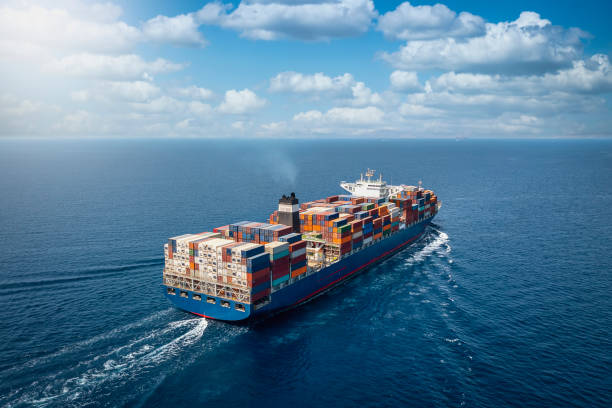
At first glance, the water looks harmless. Calm waves, smooth skies, and the steady hum of engines. A perfect day for moving goods or taking a vessel out. But what hides beneath that calm can leave businesses with problems they never expected and bills they didn’t plan for.
Many small importers and coastal traders think they’re too small to face real risk. Their routes are short. Their cargo isn’t worth millions. Some even believe basic carrier terms already protect them. But when something goes wrong at sea, the financial damage reaches far beyond the cost of the goods themselves.
Take delays. If a vessel breaks down or gets held at port due to weather or customs, it doesn’t just stop cargo. It slows supply chains, breaks delivery promises, and can even push clients to competitors. Without the right protection, these delays come out of pocket. The impact shows up quietly in cancelled orders, unhappy customers, and strained relationships.
Now picture partial losses. One wet pallet. A damaged crate. Not dramatic enough to call a disaster, but enough to affect inventory. Many of these incidents fall through standard legal limits. Carriers may only be required to pay based on weight, not actual value. That’s where marine insurance makes a difference. It fills the gap between what a business expected and what they actually recover.
Then there’s liability. A cargo ship may run aground, spilling oil or creating environmental damage. Even if your goods weren’t the cause, you might be asked to contribute to the total cost of cleanup or rescue efforts under general average rules. For the unprepared, this rule can be shocking. You pay part of the cost even if your shipment arrived safely. It feels unfair, but it’s part of global shipping practice.
Another hidden cost comes from time. Not just delivery times but time lost dealing with issues. Trying to contact foreign carriers, filling forms, chasing damaged items, and dealing with customs red tape. These tasks pull business owners away from their work. In contrast, a solid marine insurance policy often includes support teams that handle most of these steps. They know who to call and what to ask, saving hours or even days of confusion.
Smaller operators are especially vulnerable. They often skip cover to save money, unaware of what they risk. But as trade gets more digital and fast-paced, expectations rise. Buyers demand real-time updates. Delays lead to public complaints. One mistake can ripple across social media. Protection is no longer just about money it’s about keeping a reputation intact.
There’s also a mindset shift happening in how companies view cover. They’re moving away from one-size-fits-all policies and leaning towards tailored plans. These newer plans focus on specific trade routes, types of cargo, and even storage conditions. Marine insurance today doesn’t just respond to accidents it helps prevent losses by encouraging better packing, route planning, and cargo handling.
Some brokers now specialise in complex marine risks. They work with underwriters who understand niche sectors like refrigerated goods, timber, or electronics. These experts can spot weak points in a shipping process and adjust cover accordingly. Their knowledge turns a simple policy into something that keeps a business running, even when the unexpected hits.
In the past, it was common to think of this kind of insurance as optional. Today, it’s closer to essential. The cost of not having it isn’t always obvious until something breaks, sinks, or gets stuck. That’s when the real price appears, in ways spreadsheets don’t always capture.
There’s no need to panic over every shipment. But ignoring the risks doesn’t make them go away. Quiet losses at sea can grow loud in business. With the right tools in place, firms can sail ahead, knowing they’ve covered not just their cargo, but their time, name, and future.