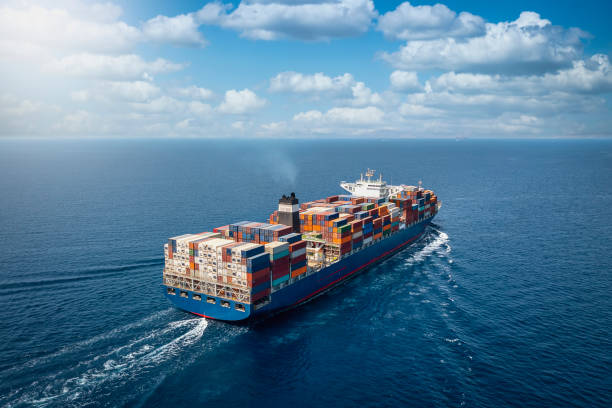
Turn on the news, and you are bound to hear about regional disputes, trade sanctions, or military standoffs. While these events seem political on the surface, they have a direct and immediate impact on global commodity prices. The reason is simple: commodities are global by nature, and anything that affects movement across borders affects pricing. For those who participate in commodities trading, geopolitics is not just background noise, it is often the trigger for the next market move.
Oil Markets React First and Fastest
Few sectors respond more directly to geopolitical events than energy. When tensions rise in oil-producing regions like the Middle East, prices often climb. Even the suggestion of disrupted supply can spark a rally. This is not based on current shortages, but on fear of what may come. For traders, oil becomes a barometer of geopolitical anxiety.
This is particularly true for Brent crude, which is more sensitive to global supply chains than domestic benchmarks like WTI. For traders active in commodities trading, geopolitical risk premiums are a regular feature of oil market behavior.
Grains and Agricultural Trade Flow Vulnerabilities
Agricultural commodities may seem less sensitive to geopolitics at first glance, but that illusion disappears quickly during major disruptions. When two of the world’s largest wheat exporters are in conflict, as seen in the Russia-Ukraine situation, supply chains become strained. Ports shut down. Shipments stall. Buyers scramble for alternatives.
This sudden shift leads to price spikes in wheat, corn, and sunflower oil. In commodities trading, the agricultural sector requires just as much geopolitical awareness as energy, especially when it comes to food security and trade routes.
Precious Metals as a Refuge
Gold, silver, and even platinum often see inflows when the world gets nervous. Unlike oil or corn, precious metals are not consumed, they are stored. That makes them ideal for storing value when governments or financial systems feel fragile.
When international tensions rise or sovereign debt becomes questionable, gold typically gains favor. It is not a coincidence that many spikes in gold prices occur alongside diplomatic breakdowns. Traders involved in commodities trading often include precious metals in their strategy for this very reason.
Sanctions, Trade Wars, and Strategic Supply Chains
Geopolitical risk also materializes through policy, not just conflict. Trade wars can lead to higher tariffs on key exports, which alters supply and demand dynamics. Sanctions can prevent entire regions from accessing critical resources. These policy changes may come suddenly, and the market reacts quickly.
Rare earth metals, which are essential for technology and defense, have been at the center of multiple geopolitical debates. When China threatens to limit exports, prices can surge globally. For professionals in commodities trading, keeping up with trade negotiations and sanction announcements is vital for staying ahead of market shifts.
Long-Term Shifts vs Short-Term Panic
Not all geopolitical effects are short-lived. Some bring structural change to global supply chains. For example, ongoing regional conflicts can lead to permanent rerouting of shipping lanes, long-term investments in domestic supply, or a complete rethinking of commodity storage strategy.
These long-term shifts often create new winners and losers across global markets. Those in commodities trading who think beyond the immediate headlines and understand the bigger picture are more likely to position successfully over the long run.
While charts and economic indicators remain essential, they cannot capture the full picture alone. The human element like fear, conflict, nationalism, and strategy still plays a major role in commodity price formation. Recognizing that reality is what separates reactive trades from intentional ones.