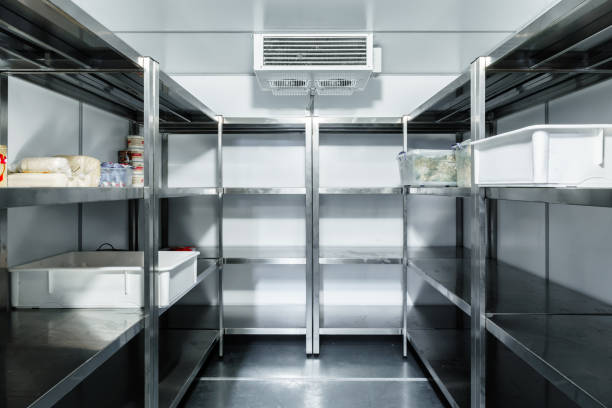
Some business systems can fail gracefully. A printer can be replaced, a booking process can move temporarily to paper and a non-critical light can wait until morning. Temperature control is different. When chilled or frozen storage moves outside the conditions required for its contents, the clock starts to matter.
The first minutes need information
An alarm or unexpected reading should trigger verification, not panic. Staff need to confirm what has happened, which area is affected and whether the reading is credible. A sensor may fail, but assuming every alarm is false is risky.
Commercial refrigeration solutions work best when monitoring is paired with a clear procedure. That can include checking an independent thermometer where appropriate, limiting door opening, identifying vulnerable stock and recording times and temperatures. Food businesses should follow applicable food-safety guidance when deciding whether stock remains suitable.
Contain the problem before chasing the cause
Opening a failing cool room repeatedly to investigate can make conditions worse. If safe to do so, keeping doors closed helps retain cold air while the next steps are organised. Staff can then consider whether unaffected refrigeration space is available and whether products can be moved without creating another problem through overcrowding.
The failure of commercial refrigeration solutions may be electrical, mechanical, control-related or as simple as a door that has not sealed. Diagnosis belongs with suitably qualified people. The operational team’s immediate task is to protect people, products and records while providing useful information to the technician.
Redundancy is a business decision
Not every site needs duplicate refrigeration equipment, but critical operations should think about what happens when one system is unavailable. The answer may be spare capacity elsewhere, an agreement with another facility, portable contingency equipment or a documented disposal threshold rather than full duplication.
The right level depends on the value and sensitivity of the stock, how quickly replacement service is available and the consequences of downtime. Commercial refrigeration solutions should therefore be considered alongside continuity planning, not only capital cost.
Maintenance buys options
Preventive maintenance cannot eliminate every failure, yet it can reduce avoidable ones and provide warning signs. Dirty condensers, deteriorating seals, fan problems, refrigerant issues and worn components may affect performance before a complete breakdown occurs. Regular service also gives businesses a chance to discuss equipment that is becoming difficult to support or increasingly unreliable.
Daily observation helps too. Staff who know the normal sound, temperature pattern and defrost behaviour of equipment are often the first to notice change. A log of repeated alarms or slow pull-down times can be more useful than a vague report that a unit “has been acting strange”.
Communication matters during the response. Kitchen, floor, warehouse and management teams may each see a different part of the problem, so one person should coordinate updates and decisions. That avoids repeated door opening, duplicated calls and conflicting instructions. When commercial refrigeration solutions are treated as shared infrastructure, the response can stay organised even while technical work is underway.
Afterwards, a short review can turn disruption into better preparation. Was the alarm noticed quickly? Were contact details current? Was there enough spare capacity? Did staff know what records to keep? Answers can guide practical changes before the next incident.
Recovery needs evidence, not assumptions
Once cooling is restored, the job is not automatically finished. Businesses may need to assess how long temperatures were affected, what products were exposed and whether any further action is required. Records from monitoring systems, manual checks and service work can support that assessment.
Taurus Refrigeration Services operates in New South Wales in the commercial refrigeration and air-conditioning field. Whatever service provider a business uses, clear information about the fault, site access and equipment can help the response start efficiently.
The real value of commercial refrigeration solutions appears when temperature control cannot afford to fail. Equipment, maintenance, monitoring and contingency planning each cover a different weakness. None guarantees uninterrupted operation, but together they give a business better information and more choices when minutes, stock and service are all under pressure.