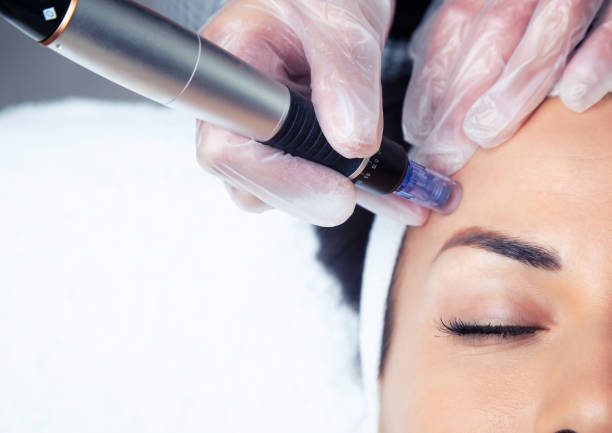
Confidence often links to how people feel in their own skin. While self-acceptance plays a large role, the desire to refine appearance has always been part of human behaviour. What has changed in recent years is the accessibility of advanced treatments. Once viewed as the territory of celebrities or the wealthy, these options now reach a wider public, reshaping how society thinks about beauty and care.
The field known as aesthetic medicine bridges science and appearance. It does not chase dramatic surgery but instead focuses on subtle improvements. From wrinkle softening to skin resurfacing, the emphasis is on restoring balance rather than altering identity. Many who choose these treatments aim not to look different, but to feel more like themselves on their best days.
Technology drives much of this change. Devices that once seemed experimental now sit in clinics across cities and towns. Laser systems refine texture, radiofrequency tightens loose areas, and injectables smooth expression lines with minimal interruption to daily life. Each innovation lowers downtime, making it easier for people with full schedules to explore possibilities without stepping away from work or family for long recovery periods.
The motivations vary. Some see treatments as a way to match how they feel inside with what the mirror shows. Others want a fresh start after stressful times, hoping to project energy in both personal and professional settings. The point is rarely about chasing an impossible ideal. Instead, it lies in reclaiming confidence, in choosing how to present oneself with intention rather than resignation.
Scepticism naturally arises, and rightly so. Quick fixes and exaggerated claims still crowd the market. The difference comes when procedures are supported by scientific studies and performed by trained professionals. Proper guidance ensures treatments are safe and tailored. Without that, the risk of disappointment or even harm grows. For this reason, clinics emphasise consultation as much as the treatment itself. Honest discussion about goals, limits, and possible outcomes makes the process more transparent.
An interesting shift is the way age factors into decisions. Younger people now explore non-invasive options earlier, not to reverse ageing but to delay it. Preventive care becomes part of regular maintenance, similar to gym routines or skincare products. Older clients, meanwhile, seek subtle refreshment, often favouring natural-looking results over radical change. This spectrum shows how versatile the field has become, catering to diverse ages and expectations.
Cultural attitudes continue to evolve too. Speaking openly about aesthetic choices once carried stigma. Now, discussions about injectables or skin treatments appear casually in social settings, on podcasts, and across social media. This openness reduces shame but also raises the risk of misinformation. People share experiences freely, yet not every story reflects evidence or safe practice. Filtering advice remains essential.
The role of aesthetic medicine in everyday life is therefore complex. It does not replace inner confidence, nor does it erase the impact of health, diet, or stress. Instead, it supports them, offering tools that enhance rather than dominate. At its best, the field acknowledges individuality. Results are measured less in millimetres and more in how someone smiles at their reflection.
Looking ahead, progress will likely continue towards even gentler methods with stronger results. Science moves quickly, and public demand ensures constant development. Still, the central question persists: how to use these options wisely. Confidence may begin in the mind, but for many, seeing subtle changes on the outside helps reinforce that feeling within.
In this way, aesthetic medicine plays a growing role. Not as a replacement for self-worth, but as a companion that helps align inner strength with outward presence. Its rise reflects not vanity alone, but the universal wish to feel at ease in one’s own skin.